Black History Historic T-shirt
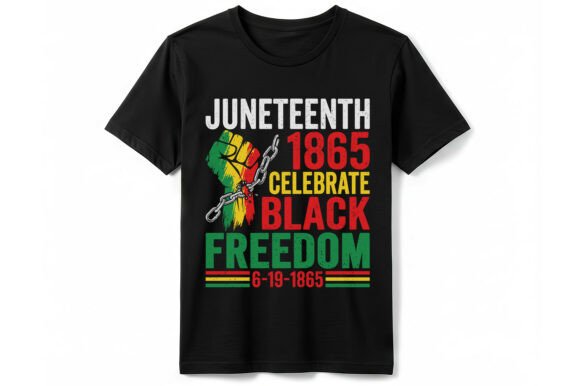
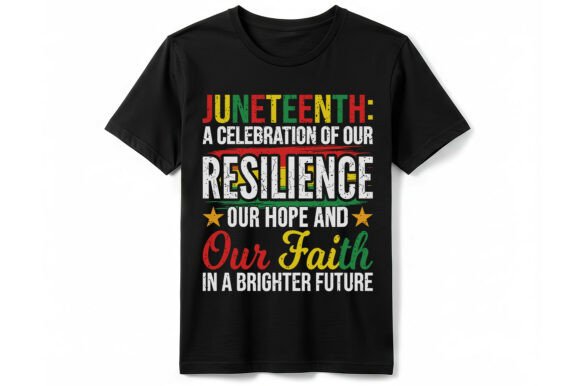
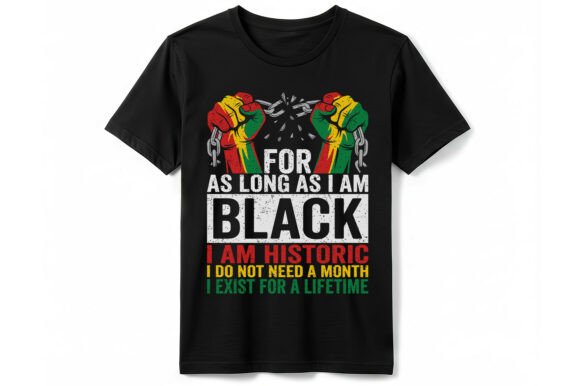
The Black History Historic T-shirt is a powerful design that immediately conveys a sense of pride, resilience, and cultural significance. Its bold imagery of broken chains set against the vibrant Pan-African colors makes it instantly recognizable and emotionally resonant. The layout is clean yet impactful, with enough detail to stand out without becoming overwhelming. This design feels like it was made to be stitched onto fabric, not just printed or digitally displayed.
First Impressions and Design Personality
From the moment you see the Black History Historic T-shirt, it commands attention. The broken chains are a strong visual metaphor for freedom and perseverance, while the color palette—red, black, and green—evokes a deep connection to African heritage. The design has a modern yet timeless feel, making it versatile for both contemporary and traditional settings. It’s a statement piece that doesn’t need much embellishment to make an impact.
This design works best on larger projects where the details can breathe, such as custom apparel, tote bags, or embroidered patches. It’s not ideal for small items like baby onesies or caps unless scaled down carefully. The layout suggests it was designed for a flat, even surface, which makes it a good fit for t-shirts, sweatshirts, and other garments with smooth fabric.
Real-Life Embroidery Applications
As a designer, I often think about how a machine embroidery design will translate to real-life use. The Black History Historic T-shirt is a great example of a design that can be adapted to multiple projects. For instance, if you’re creating a custom embroidered tote bag, this design would look striking on a cotton canvas. The stitch density is moderate, so it should work well on most fabrics without causing puckering or distortion.
If you're planning to use it on a sweatshirt, you’ll want to make sure the stabilizer is adequate, especially if the fabric is stretchy or lightweight. The design’s bold lines and saturated colors make it suitable for both light and dark fabrics, but you may need to adjust thread colors for optimal contrast. For example, using white thread on a black background could create a dramatic effect, while a darker thread on a light fabric might add depth and dimension.
Where to Use It Carefully
While the Black History Historic T-shirt is a strong design, there are some situations where it might not perform as well. If you're working with small hoop sizes, the design might be too large to fit comfortably, which could lead to stitching errors or misalignment. Similarly, if you're trying to stitch it onto textured fabrics or thin materials, you may need to adjust your technique to avoid damaging the fabric or distorting the design.
For items like baby clothes or delicate garments, the design’s size and detail level may require careful scaling. Tiny lettering or intricate corners could be lost in the stitching process, so it’s important to test the design on scrap fabric before committing to a final project. If you're planning to use it on a curved surface like a cap or a hat, you may need to adjust the design to account for the shape, or consider using an applique design instead.
Impact on Visual Appeal and Customer Perception
The Black History Historic T-shirt has a strong visual presence that can elevate the perceived value of any product it’s used on. Whether it's a handmade product, a personalized gift, or a commercial embroidery project, this design adds a layer of meaning and sophistication. Customers who see this design on a finished product are likely to associate it with authenticity, pride, and cultural awareness.
For small business owners and Etsy sellers, this design can be a valuable addition to their product lineup. It’s versatile enough to be used on a variety of items, from holiday gifts to boutique merchandise. However, it’s important to ensure that the design aligns with your brand’s identity and that it’s presented in a way that reflects your craftsmanship and attention to detail.
Practical Designer Notes
Before using the Black History Historic T-shirt in any project, I always recommend testing the design on scrap fabric. This helps you understand how the stitches will look on different materials and whether any adjustments are needed. Check the thread color contrast to make sure the design stands out on the intended fabric, and review the stitch density to avoid overworking the fabric.
Confirm the hoop size required for the design, and make sure your embroidery machine can accommodate it. Inspect the small details closely—especially if the design includes text or intricate elements. Test the design in black and white mockups to see how it looks without color, and compare it on both light and dark backgrounds to determine the best presentation.
Use the proper stabilizer for the fabric type, and make sure the design works for both personal and commercial projects. If you plan to sell finished items or digital products, double-check the licensing terms to ensure you have the rights to do so. These steps will help you get the most out of the Black History Historic T-shirt and ensure your finished product meets your expectations.
Conclusion: A Meaningful Addition to Any Embroidery Project
The Black History Historic T-shirt is more than just a graphic—it’s a design that carries weight and purpose. Its bold imagery, thoughtful layout, and cultural significance make it a valuable asset for any embroidery project. Whether you're creating custom apparel, personalized gifts, or small shop merchandise, this design has the potential to make a lasting impression.