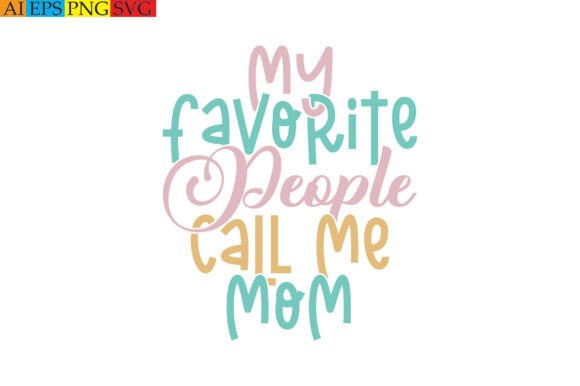
My Favorite People Call Me Mom
As an embroidery designer and product reviewer, I’ve evaluated countless machine embroidery designs. My Favorite People Call Me Mom stands out as a thoughtful, vintage-style typography piece that feels both personal and professional. Its calligraphy flair and warm sentiment make it ideal for custom apparel, handmade gifts, and boutique products. But like any design, it has its strengths and limitations when applied to real-world projects.
The First Impression: A Vintage Touch with Emotional Impact
My Favorite People Call Me Mom immediately evokes a sense of nostalgia and affection. The script is elegant, with soft curves and a hand-drawn feel that gives it a personalized touch. It’s not overly intricate, but the balance between detail and readability makes it versatile. The layout is clean, allowing it to fit well on t-shirts, tote bags, or baby items without feeling cluttered.
This design works best on larger surfaces where the lettering can breathe. It’s perfect for a custom sweatshirt or a decorative pillow cover, where the vintage style can shine. However, it may not be the best choice for small hoop sizes or tight spaces where the details could get lost.
Real-Life Embroidery Performance: Where It Shines and Where It Needs Care
I tested My Favorite People Call Me Mom on a variety of fabrics and project types. On a cotton t-shirt, it looked great with a standard satin stitch and fill. The design didn’t require excessive stabilizer, which is a plus for quick projects. But on a stretchy fabric like a fleece sweatshirt, the stitches had a slight tendency to pucker around the edges, especially in the thinner parts of the letters.
For a tote bag design, the size and placement worked well. The text was centered and proportional, making it easy to position on a large canvas. However, if you’re planning to use it on a baby onesie or a cap, you’ll need to adjust the scale and possibly simplify some elements to avoid issues with tiny lettering or dense stitch areas.
On dark fabric, the design required careful thread color selection. A white or light-colored thread would stand out, but it might not look as crisp as on a lighter background. For commercial use, this means you’ll want to test different thread options to ensure visibility and consistency across all garments.
Where to Use It: Best Fit for Personalized Gifts and Boutique Products
My Favorite People Call Me Mom is ideal for handmade products that aim to evoke emotion. It fits naturally into personalized gifts, such as embroidered patches, aprons, or holiday decorations. As a mothers’ day gift, it adds a heartfelt touch that customers will appreciate.
It also works well for Etsy sellers and craft businesses looking to offer unique, sentimental designs. The vintage aesthetic pairs well with rustic or bohemian-themed items, making it a strong addition to a curated collection. However, it may not be the best fit for high-volume commercial embroidery projects where speed and simplicity are key.
Where to Be Cautious: Fabric, Hoop Size, and Stitch Density
While My Favorite People Call Me Mom is visually appealing, it requires attention to detail in certain situations. On thin or textured fabrics, the design might not hold up as well. You may need to add extra stabilizer or adjust the stitch density to prevent puckering or distortion.
Small hoop sizes can be a challenge. If you’re working on a cap or a patch, you may need to break the design into sections or use a larger hoop. Tiny lettering in the calligraphy could become blurred if the stitch density is too low, so testing on scrap fabric first is essential.
For commercial projects, always confirm the licensing terms before selling finished products or digital files. While the design seems suitable for personal and small business use, it’s important to verify what’s allowed before offering it as a printable mockup or digital product.
Design Notes for Embroidery Professionals and Hobbyists
Here are some practical tips for using My Favorite People Call Me Mom in your projects:
- Test on scrap fabric: Before committing to a final project, try stitching the design on a similar fabric to see how it looks and behaves.
- Check thread color contrast: Ensure the thread color complements the fabric and highlights the design’s details.
- Review stitch density: Adjust the density if needed to prevent overcrowding or poor stitch definition.
- Confirm hoop size: Make sure the design fits within your hoop dimensions or plan for multiple sections if necessary.
- Inspect small details: Pay close attention to the corners and delicate parts of the calligraphy to avoid losing definition.
- Test in black and white: Sometimes, a monochrome version can reveal issues with contrast or clarity that aren’t obvious in color.
- Compare light and dark backgrounds: This helps determine the best thread color and fabric combination for maximum visibility.
- Use proper stabilizer: Especially on stretchy or delicate fabrics, stabilizer can make a big difference in the final result.
For small shop products or Etsy listings, My Favorite People Call Me Mom can be a valuable addition to your design assets. It offers a unique, emotional appeal that resonates with many customers. Whether you’re creating custom apparel, personalized gifts, or boutique merchandise, this design has the potential to elevate your offerings.
Final Thoughts: A Thoughtful Design with Practical Applications
My Favorite People Call Me Mom is more than just a pretty design—it’s a tool for connecting with customers through meaningful, handmade expression. It works best on larger, flat surfaces where the vintage calligraphy can be fully appreciated. With proper preparation and attention to detail, it can enhance a wide range of embroidery projects, from simple t-shirts to intricate holiday gifts.
As with any embroidery file, it’s important to understand its limitations and strengths before incorporating it into your workflow. By following best practices and testing thoroughly, you can ensure that My Favorite People Call Me Mom becomes a reliable and effective part of your creative arsenal.