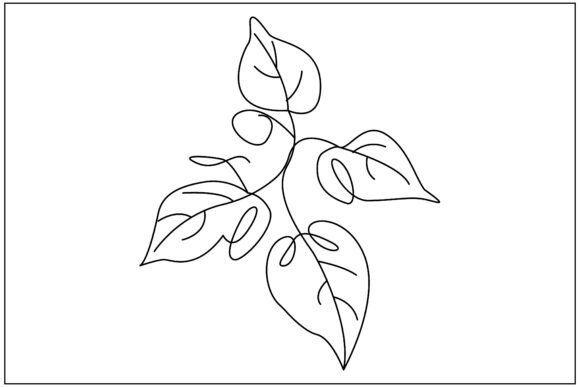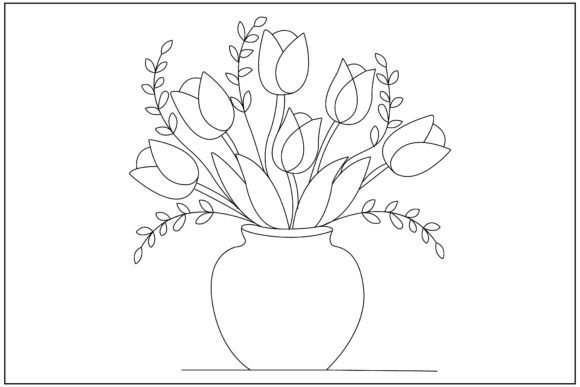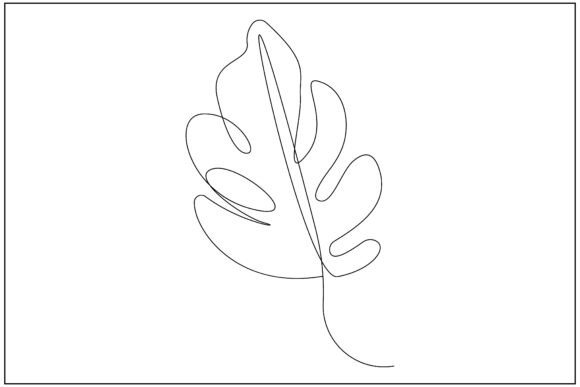
Watermelon Leaf Line Art
As a designer who’s spent years working with machine embroidery designs, I always start by evaluating a new file based on its visual appeal, practicality, and how it translates to real-world projects. Watermelon Leaf Line Art caught my attention for its clean, nature-inspired aesthetic and versatility across multiple mediums. But like any design, it has its strengths and limitations that need careful consideration before use.
The First Impression: A Fresh, Natural Vibe
From the moment I opened the Watermelon Leaf Line Art files, I was struck by its simplicity and organic feel. The line work is precise, with clear outlines that suggest a hand-drawn or minimalist illustration style. It evokes a sense of calm, making it ideal for products that aim to bring a touch of nature into everyday life. The layout is balanced, with enough detail to be visually engaging without being overwhelming.
This design feels like it belongs in a summer-themed project—whether it's a tote bag for a beach day, a baby onesie for a warm-weather shower, or a wall decor piece for a cozy kitchen. Its linear structure also makes it adaptable for different sizes and applications, from small patches to larger embroidered panels.
Real-World Use: Where It Shines and Where It Needs Care
Testing Watermelon Leaf Line Art on a custom tote bag design was a great way to see how it performs in actual embroidery. The design translated well onto cotton fabric, maintaining its clarity and definition. However, I noticed that the stitch density needed to be adjusted depending on the fabric type. On thin or stretchy materials, the lines can sometimes appear too close together, leading to a less refined look.
For a sweatshirt or t-shirt, the design works well as a single-color embroidery, especially when using a contrasting thread color. But if you're planning to use it on dark fabrics, you’ll want to ensure the thread color stands out clearly. This is where mockups come in handy—testing the design in black and white can help visualize how it will look on different backgrounds.
One area where Watermelon Leaf Line Art requires extra attention is in small hoop sizes. If you're working on a patch or a cap, the design might not fit comfortably within the standard hoop dimensions. That means you’ll have to either adjust the size or split the design into sections, which could affect the overall flow and cohesion of the final product.
When to Avoid: Potential Challenges
While the design is versatile, there are situations where it may not be the best choice. For example, on textured fabrics like linen or canvas, the fine lines can get lost or distorted during stitching. Similarly, on very thin or stretchy materials, the design might not hold up well over time, especially with frequent washing.
If you're planning to use this design on a layered garment or a curved surface like a hat, you’ll need to test it thoroughly. The linear nature of the design doesn’t always adapt well to rounded edges, and the stitch density may need to be adjusted for better flexibility and durability.
Impact on Visual Appeal and Customer Perception
Watermelon Leaf Line Art adds a unique, handmade quality to any product. Its clean lines and natural theme make it highly recognizable, which is great for branding and customer engagement. When used on a personalized gift or a custom apparel item, it can elevate the perceived value of the finished product, making it more appealing to buyers looking for something special.
For an Etsy seller or small shop owner, this design offers a solid foundation for creating consistent, high-quality items. It’s also useful for printable mockups and digital product previews, allowing you to showcase your work effectively without needing to produce physical samples every time.
Practical Tips for Embroidery Designers
Before committing to a project, I always recommend testing the design on scrap fabric. This helps you see how the stitch density and thread colors interact with the material. For Watermelon Leaf Line Art, it’s important to check whether the design works well with both light and dark backgrounds, especially if you’re planning to sell it as a digital product.
Another key step is to confirm the licensing terms. While the product description mentions it can be used for various creative products, you should double-check whether it’s suitable for commercial use or if there are any restrictions on resale or redistribution.
Using the right stabilizer is crucial, especially for delicate or stretchy fabrics. A good stabilizer will help maintain the integrity of the design and prevent puckering or distortion after stitching. And if you're planning to use this design on a baby item or a sensitive garment, make sure the thread colors are safe and hypoallergenic.
Final Thoughts: A Solid Choice for the Right Projects
Watermelon Leaf Line Art is a strong addition to any embroidery designer’s library, particularly for those focusing on casual, nature-inspired themes. It’s well-suited for tote bags, baby clothes, and wall decor, but it requires careful handling in certain applications. With proper testing and adjustments, it can become a reliable asset for both personal and commercial projects.
Whether you're an Etsy seller, a craft business owner, or a hobbyist looking to expand your creative options, this design offers a fresh, functional approach to embroidery. Just remember to consider the fabric, hoop size, and stitch density before moving forward—because the right design in the wrong context can lead to unsatisfactory results.