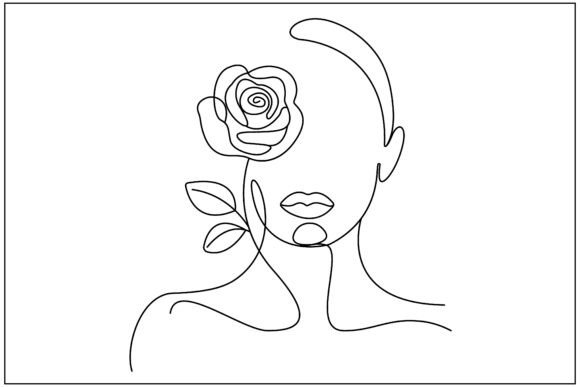
Woman Rose Eye Line Art
As a designer and embroidery product reviewer, I often find myself evaluating new designs with a critical eye, thinking through how they’ll perform in real-world projects. The Woman Rose Eye Line Art is one such design that caught my attention for its unique aesthetic and versatility. It’s a clean, stylized illustration that could work well across a range of mediums, but like any embroidery file, it has its strengths and limitations.
First Impressions: A Bold, Elegant Statement
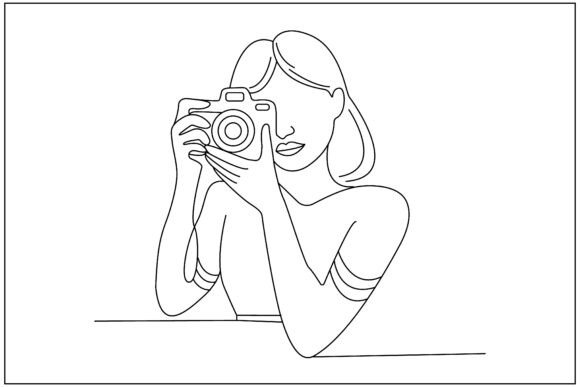
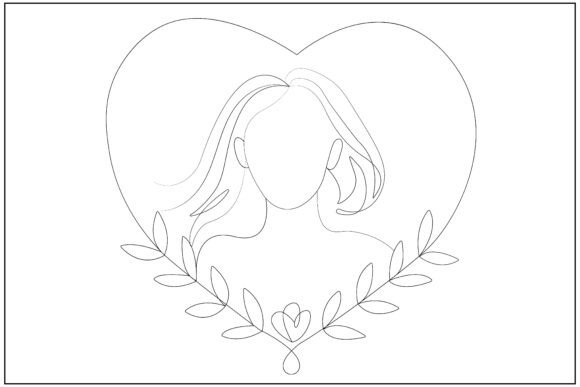
The first thing that stands out about Woman Rose Eye Line Art is its simplicity. The design centers around a woman’s face, rendered in delicate line work that emphasizes the eyes and the rose motif. It’s not overly detailed, but the balance between negative space and intricate lines gives it a refined, artistic feel. The overall mood is elegant and slightly mysterious, making it ideal for products that aim to evoke emotion or sophistication.
This design would naturally fit into custom apparel, especially t-shirts, sweatshirts, and tote bags. Its minimal nature makes it adaptable to different fabric types and color schemes, though it may not be the best choice for very busy or textured materials. The layout is straightforward, which means it can be easily scaled without losing clarity—important when working on small hoop sizes or limited space.
Real-World Embroidery Performance
When considering how Woman Rose Eye Line Art performs in real embroidery situations, several factors come into play. For instance, if you’re planning to use it on a custom tote bag or a sweatshirt, the design should hold up well. However, if you’re working with thin or stretchy fabrics, you might need to adjust your stabilizer use and stitch density to prevent distortion.
For baby items or personalized gifts, this design could be a hit. The soft lines and subtle details make it suitable for nursery decor or embroidered onesies. But if you’re looking to add it to a patch or an apron, you’ll want to ensure the stitching is precise, as any misalignment could affect the final look.
One area where this design might struggle is on dark fabrics. Since it’s a line art piece, the contrast between the thread and the background becomes crucial. If you’re using a light-colored thread on a dark fabric, the design may appear too faint. On the flip side, a darker thread on a light background could create a bold, striking effect.
Where to Use With Caution
While Woman Rose Eye Line Art is versatile, there are some situations where it might not be the best choice. Small hoop sizes can be a challenge, as the design’s fine details may get lost or become difficult to stitch accurately. Similarly, if you're working on curved surfaces like caps or hats, the design’s linear elements may not follow the shape as smoothly as more rounded or flowing designs would.
Textured or stretchy fabrics can also pose issues. If the fabric moves during stitching, the design could become distorted. This is especially true for items like baby clothes or activewear, where comfort and flexibility are important. In such cases, a simpler design with fewer intricate lines might be more practical.
Another consideration is the stitch density. If the design has areas with dense stitches, it could lead to puckering or stiffness in the fabric. You’ll want to test it on scrap material before committing to a full project. Also, if you’re planning to use it on a layered garment or something with multiple layers, the design’s placement will need careful planning to avoid visibility issues.
Impact on Visual Appeal and Customer Perception
Woman Rose Eye Line Art has the potential to elevate the visual appeal of any product it’s used on. Its clean lines and artistic flair can add a touch of sophistication to handmade products, making them stand out in a crowded market. For Etsy sellers or small shop owners, this design could serve as a strong selling point, especially if paired with high-quality photography and thoughtful branding.
From a customer perspective, the design’s simplicity makes it easy to recognize and appreciate. It’s not overly complex, which means it can appeal to a broad audience. Whether it’s used as a personalized gift, a holiday item, or a boutique product, the design’s elegance can help build trust and encourage repeat purchases.
Practical Designer Notes
Before jumping into using Woman Rose Eye Line Art in your next project, here are a few key tips to keep in mind:
- Test on scrap fabric first. Always do a trial run to see how the design looks on your chosen material and with your preferred thread colors.
- Check thread color contrast. Ensure the thread you choose complements the fabric and enhances the design’s visibility.
- Review stitch density. Adjust the density as needed to maintain the design’s integrity without causing fabric distortion.
- Confirm hoop size. Make sure the design fits within your machine’s hoop dimensions, especially if you're working on smaller projects.
- Inspect small details. Pay close attention to the design’s finer elements, as they can be easily overlooked during the stitching process.
- Test in black and white mockups. This helps you visualize how the design will look on different backgrounds and under various lighting conditions.
- Compare light and dark fabric backgrounds. This step ensures the design remains visible and impactful regardless of the fabric color.
- Use proper stabilizer. Stabilizers help prevent puckering and maintain the design’s shape, especially on delicate or stretchy fabrics.
- Confirm licensing. If you plan to sell finished items or digital products, make sure you understand the design’s usage rights and any restrictions that may apply.
Final Thoughts: A Versatile Design for the Right Projects
Woman Rose Eye Line Art is a design that offers both style and adaptability. It’s not the most complex piece on the market, but its clean lines and elegant composition make it suitable for a wide range of embroidery projects. Whether you’re creating custom apparel, personalized gifts, or small business merchandise, this design can be a valuable addition to your collection.
However, like any machine embroidery design, it requires careful consideration of fabric type, hoop size, and stitch settings. By testing it thoroughly and understanding its limitations, you can maximize its potential and ensure it meets the expectations of your customers and clients.