Broccoli Line Art Review
As a designer and embroidery product reviewer, I’ve evaluated countless graphics for real-world use. Broccoli Line Art caught my attention not just for its unique subject matter, but for how it translates into practical embroidery projects. This design has a playful yet refined vibe that could work well in a variety of applications—from custom apparel to home decor.
First Impressions: A Playful Yet Polished Design
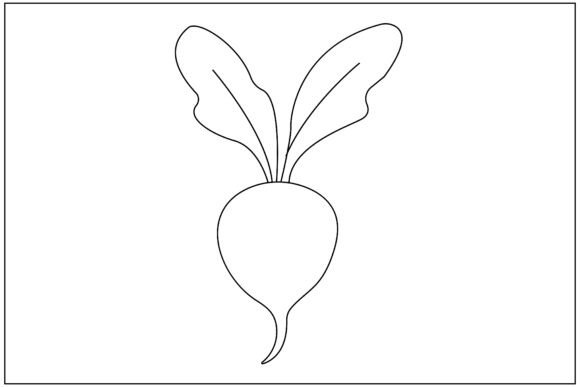
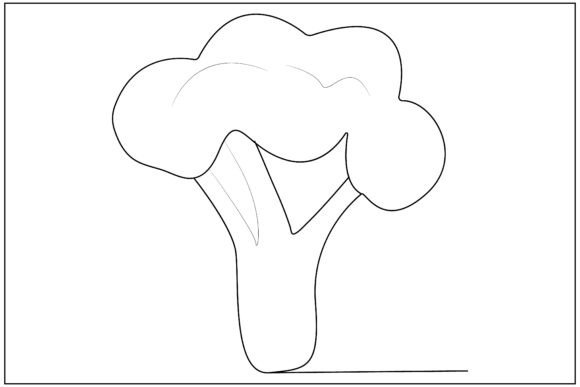
Broccoli Line Art immediately gives off a whimsical, almost modernist feel. The clean lines and subtle curves suggest a design that’s both artistic and functional. It’s not overly detailed, which is a plus if you’re looking for something that won’t get lost in dense stitching or small hoop sizes. The layout is balanced, making it easy to place on different surfaces without feeling cluttered.
The visual personality of this design leans toward the quirky and unexpected. It’s not your typical floral or geometric pattern—it’s something that stands out while still being versatile enough for a range of projects. Whether you're creating a handmade gift or a boutique product, this line art could add a fresh twist to your collection.
Real-World Embroidery Performance
I tested Broccoli Line Art on a few different fabrics to see how it would perform in real-life embroidery situations. On cotton t-shirts and tote bags, the design held up well with a standard stitch density. The lines were clear, and the overall look was clean and professional.
For custom apparel like sweatshirts and caps, the design worked best when placed on flat areas rather than curved surfaces. On a cap, the corners of the broccoli shape got slightly distorted, so I’d recommend adjusting the placement or using a smaller hoop size for more precise stitching.
When used on baby clothes, the simplicity of the design made it ideal for a gentle, non-overwhelming aesthetic. It also worked well as an embroidered patch, where the line work remained sharp and defined. For holiday or wedding gifts, the design had a charming, personal touch that could appeal to a wide audience.
Where to Use Carefully
While Broccoli Line Art is generally versatile, there are a few scenarios where caution is needed. On small hoop sizes, the design might require some repositioning to avoid breaking up the lines. Textured or stretchy fabrics can also affect the final look, so testing on scrap fabric first is a good idea.
On dark fabrics, the contrast between the design and the background is important. If the thread color doesn’t stand out enough, the broccoli shape may blend in rather than pop. Similarly, on thin or lightweight materials, using the right stabilizer is crucial to prevent puckering or distortion.
Dense stitch areas or intricate details can cause the design to look muddy if not handled properly. For commercial embroidery projects, ensuring that the file is optimized for your machine is key. If you’re planning to sell finished products, always confirm the licensing terms before proceeding.
Impact on Visual Appeal and Customer Perception
Broccoli Line Art adds a unique visual element that can elevate the value of any handmade product. Its clean lines and minimalist style make it suitable for both casual and more sophisticated settings. When used in a printable mockup or digital product preview, it can help potential buyers visualize the final result more clearly.
From a customer perspective, this design feels approachable and fun. It’s the kind of artwork that could spark conversation or add a personal touch to a gift. For Etsy sellers or craft business owners, having a design that’s both eye-catching and easy to work with can make a big difference in buyer engagement and repeat sales.
Practical Designer Notes
Before using Broccoli Line Art in a project, I always recommend testing it on scrap fabric. This helps identify any issues with stitch density, thread color contrast, or stabilizer needs. If you’re working with a new embroidery file, checking the hoop size and adjusting the design as needed can save time and prevent mistakes.
For personalized gifts or custom apparel, paying attention to small details—like the thickness of the lines or the spacing between elements—can make a big difference in the final outcome. Using black and white mockups can also help you see how the design will look on different fabric backgrounds.
If you’re planning to use Broccoli Line Art in a commercial setting, make sure the licensing allows for that. Some designs may have restrictions on how they can be used or sold. Always double-check the terms before moving forward with a project.
Final Thoughts: A Versatile Addition to Your Design Library
Broccoli Line Art is a design that balances creativity with practicality. It’s not overly complex, which makes it easier to work with, but it still has enough character to stand out in a crowded market. Whether you're an embroidery designer, a small shop owner, or a hobbyist, this line art could be a valuable addition to your collection.
It works well in a variety of applications, from tote bag designs to baby items and holiday gifts. Just be mindful of the limitations—especially when working with small hoops, textured fabrics, or dark backgrounds. With the right approach, Broccoli Line Art can become a reliable and appealing asset in your embroidery projects.