German Shepherd Line Art Review
As a designer and embroidery product reviewer, I’ve evaluated countless machine embroidery designs. German Shepherd Line Art stands out for its clean, recognizable style and versatility across multiple applications. Whether you're working on custom apparel, personalized gifts, or small business merchandise, this design has potential—but it also requires careful consideration to ensure it meets your project’s needs.
First Impressions: A Simple Yet Effective Design
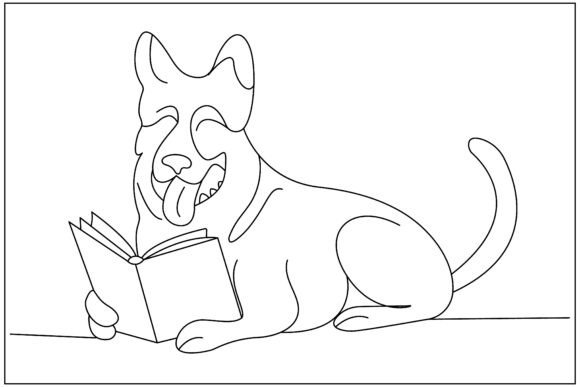
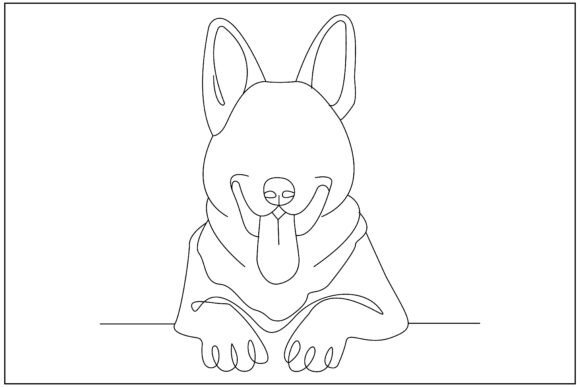
The German Shepherd Line Art immediately conveys a sense of clarity and simplicity. The design is minimal, focusing on the silhouette and key features of the dog without unnecessary embellishments. This makes it ideal for projects that require a strong visual statement without overwhelming detail.
The layout is well-balanced, with enough space around the subject to allow for placement on various items. It feels like a classic illustration that could work in both modern and traditional settings. The line work is consistent, making it suitable for a range of embroidery techniques, including running stitch and satin stitch.
This design naturally fits into projects like embroidered patches, tote bags, and wall decor. Its straightforward nature also makes it a good choice for beginners or those looking for a quick, professional-looking result.
Real-World Embroidery Performance
When testing German Shepherd Line Art on different fabrics and hoop sizes, I found that it performs best on medium-weight materials like cotton and canvas. On lighter fabrics, the lines can sometimes appear too thin, which may not be ideal for high-visibility applications like sweatshirts or caps.
For custom apparel, especially t-shirts and tote bags, the design holds up well. However, if you're planning to use it on a cap or hat, the curved surface can cause distortion in the stitching, particularly in areas with tight curves or intricate details.
On baby clothes or delicate items, the design works as long as the stitch density isn’t too heavy. Too much fill stitch can make the fabric stiff, which might not be comfortable for little ones. For these cases, a light fill or running stitch would be more appropriate.
Where to Use With Caution
While German Shepherd Line Art is versatile, there are certain scenarios where it may not perform as expected. Small hoop sizes can limit the design’s full potential, especially if the design includes fine details or complex elements. In such cases, consider breaking the design into sections or using a larger hoop.
Textured or stretchy fabrics can also affect the final look. On knits or stretchy materials, the design may shift slightly during stitching, leading to uneven lines or misalignment. Using the right stabilizer is crucial here to maintain shape and prevent puckering.
Dark fabrics can also pose challenges. If the design relies on light thread colors, it may not show up clearly against a dark background. Testing the design in black and white mockups can help determine how it will look before committing to actual embroidery.
Impact on Visual Appeal and Customer Perception
German Shepherd Line Art adds a polished, professional touch to any finished product. Its clean lines and simple form make it easy to recognize, which is important for branding and giftability. Customers often appreciate designs that are both stylish and meaningful, and this one delivers on both fronts.
For handmade products, the design enhances the overall aesthetic without being overly complicated. It’s perfect for Etsy sellers or small shop owners looking to offer unique, customizable items. The design’s simplicity also makes it easier to incorporate into printable mockups and digital product previews.
When used correctly, German Shepherd Line Art can elevate the perceived value of a product. It gives the impression of quality and attention to detail, which can increase customer trust and engagement. Whether it’s a holiday gift or a boutique item, the design contributes to a cohesive, professional presentation.
Practical Designer Notes
Before using German Shepherd Line Art in your own projects, I recommend testing it on scrap fabric. This allows you to see how the lines translate in real life and adjust stitch settings accordingly. Checking thread color contrast is also essential—especially if you plan to use it on dark or patterned backgrounds.
Reviewing stitch density is another important step. Too much density can lead to stiffness, while too little can make the design look incomplete. Confirming the correct hoop size ensures the design fits comfortably and stitches evenly.
Inspecting small details is crucial, especially if the design includes any text or intricate elements. Testing it in black and white mockups helps visualize how it will appear on different fabric types. Using the right stabilizer and checking whether the design works for both personal and commercial use are also key steps in the process.
Finally, always confirm the licensing terms before selling finished items or digital products. Even though the design seems straightforward, proper permissions ensure you can confidently use it in your craft business or online store.
Conclusion: A Solid Choice for the Right Projects
German Shepherd Line Art is a reliable, adaptable design that can work well in a variety of embroidery projects. Its clean lines and simple form make it ideal for custom apparel, personalized gifts, and small business merchandise. However, it’s not a one-size-fits-all solution.
With careful consideration of fabric type, hoop size, and stitch settings, this design can become a valuable addition to your collection of machine embroidery files. Whether you’re an experienced designer or just starting out, German Shepherd Line Art offers practical appeal and creative flexibility when used appropriately.